
Dangerous Goods Training ADR, IMDG & IATA Courses
Comprehensive dangerous goods training for road (ADR), sea (IMDG) and air (IATA) transport. Driver awareness, warehouse staff training, office personnel courses and specialist modules. Delivered on-site at your depot or premises.
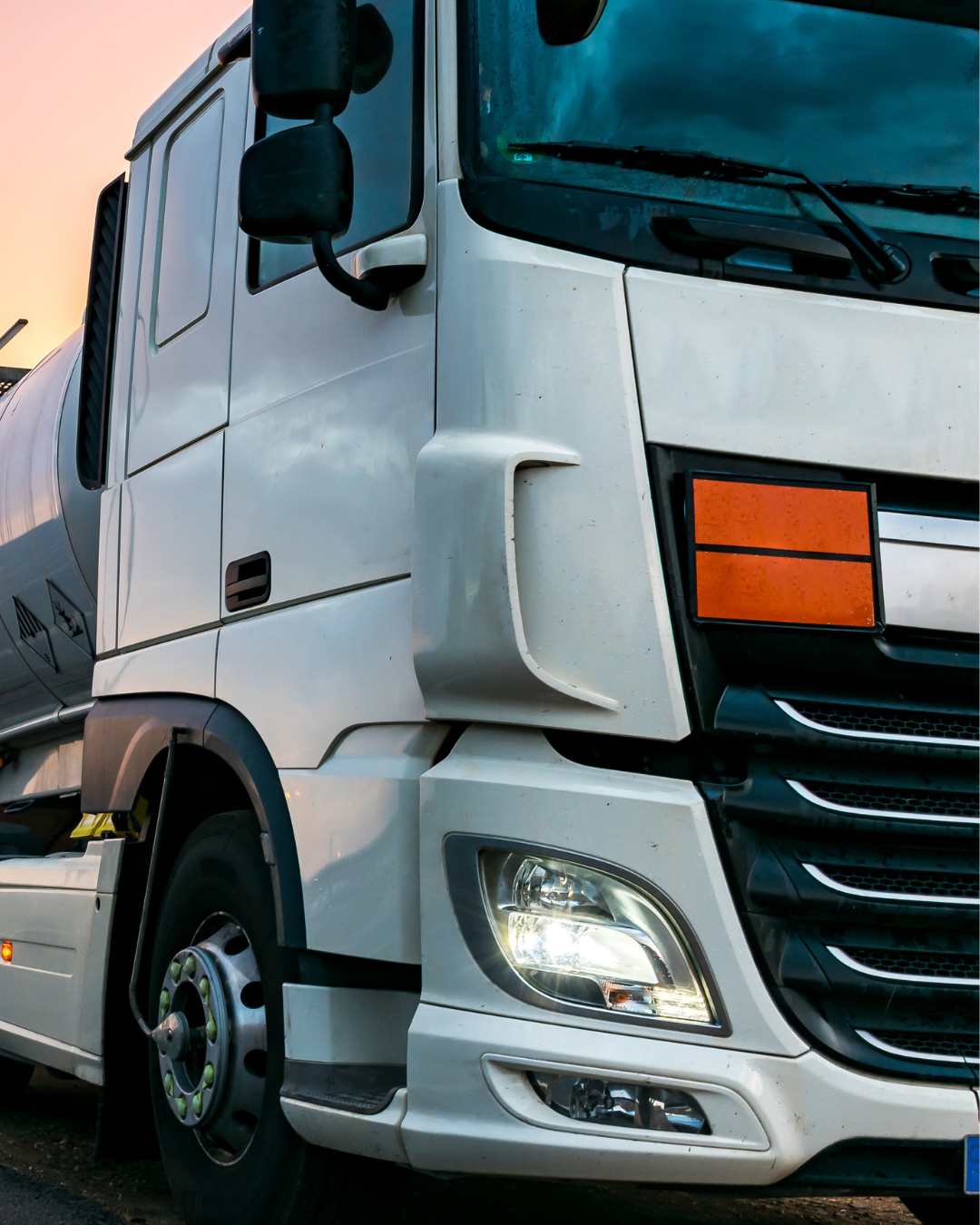
DG Training Courses
Tailored courses for every role in your operation.
ADR Driver Awareness
Classification, documentation, vehicle checks, placarding, loading rules, tunnel restrictions and emergency procedures for drivers. ADR details →
IMDG Code Training
Sea freight DG compliance — container packing, documentation, segregation, stowage and maritime emergency procedures. IMDG details →
IATA DGR Training
Air freight DG compliance — shipper declarations, packaging instructions, quantity limits, forbidden goods and acceptance procedures. IATA details →
Warehouse DG Awareness
Loading, unloading, segregation, storage, damage inspection, spill response and documentation for warehouse operatives handling dangerous goods.
Office Staff DG Training
Classification, consignment notes, emergency contacts, shipping declarations and regulatory obligations for office personnel who document or consign DG.
Specialist DG Modules
Lithium battery handling, clinical waste, limited quantities, LPG operations, agricultural chemicals, waste carrier DG and bespoke courses for specialist operations.
Risk Assessments for Your Sector
Every industry has different hazards. We tailor every assessment to your specific sector and operations.
Factories & Warehousing
Machinery, forklift, racking, noiseTransport & Logistics
Depot safety, loading bays, vehiclesConstruction
CDM, excavations, heights, demolitionSchools & Education
Classrooms, labs, playgrounds, tripsCare & Healthcare
Patient handling, clinical, infectionChemical
Process safety, COSHH, DSEARHospitality
Kitchens, fire, slips, public safetySMEs & Offices
DSE, fire, general workplaceCharities
Events, lone working, volunteersHow We Carry Out a Risk Assessment
Training Needs
We assess your operation — substances, roles, transport modes — to determine the right training programme for each group of delegates.
Course Development
Content tailored to your specific dangerous goods, your documentation and your operational procedures.
On-Site Delivery
Delivered at your depot, warehouse or office. All materials, handouts and equipment provided by our trainer.
Assessment & Certification
Delegates assessed and certificated. Records for your DGSA annual report, DVSA evidence and compliance file.
Refresher Programme
Biennial refresher aligned with ADR amendment cycles. Additional refresher when substances or procedures change.
Dangerous Goods Training FAQ
Who needs dangerous goods training?
Anyone whose duties concern DG transport — drivers, loaders, packers, warehouse staff handling DG, office staff preparing documents, managers overseeing DG operations and emergency responders.
Is training required by law?
Yes. ADR 1.3, IMDG 1.3 and IATA 1.5 all mandate training for persons involved in DG transport. CDG 2009 enforces this in the UK. Failure to train is a criminal offence.
How often should it be refreshed?
Best practice every 2 years aligned with biennial ADR amendments. Also when new substances, procedures or regulations are introduced.
Do you cover all transport modes?
Yes. ADR (road), IMDG Code (sea) and IATA DGR (air). We can train for single or multiple modes depending on your operation.
Can you train for specific substance types?
Yes. Courses tailored to your specific DG — Class 3 flammable liquids, Class 2 gases, Class 8 corrosives, lithium batteries, clinical waste, LPG, agricultural chemicals and any other classification.
Do DVSA check training records?
Yes. DVSA inspectors check driver DG training certificates during roadside encounters and depot audits. Certificates should be carried in the vehicle cab.
How much does DG training cost?
Per session, not per delegate. Includes tailored content, materials and certification. Contact us for a quote based on delegate numbers and training scope.
Need DG Training?
Tell us your substances and team roles for a tailored training quote.